Building circularity into practice – Valmet’s Hakkila campus takes a step toward net-zero
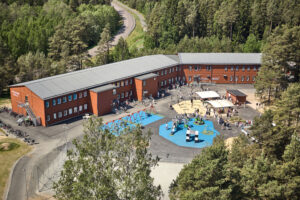
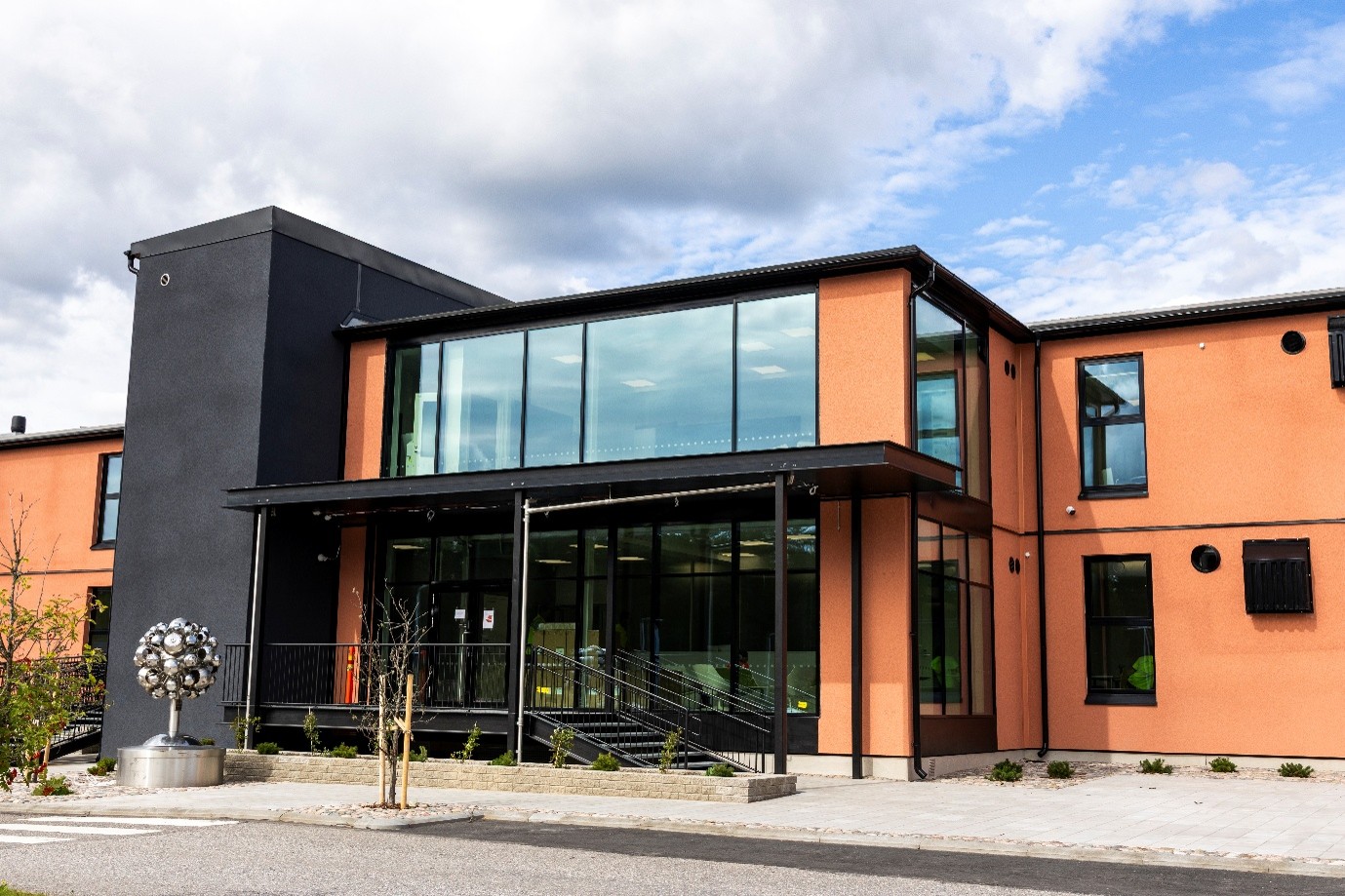
Valmet’s new office building in Valmet Flow Control business area’s Hakkila factory campus in Vantaa, Finland, is a concrete example of circular economy in action. Instead of constructing a new building with virgin materials, the office has been built using modules that previously served as a school in Tuusula. The modules were relocated in their entirety to Hakkila, where they were reassembled and transformed into modern office premises for Valmet’s Flow Control business.
Located in Vantaa at Valmet’s Hakkila campus, the new building replaces an old office building that had reached the end of its lifecycle. Through reuse, the project significantly reduces the environmental impact typically associated with construction, while extending the lifecycle of existing structures.
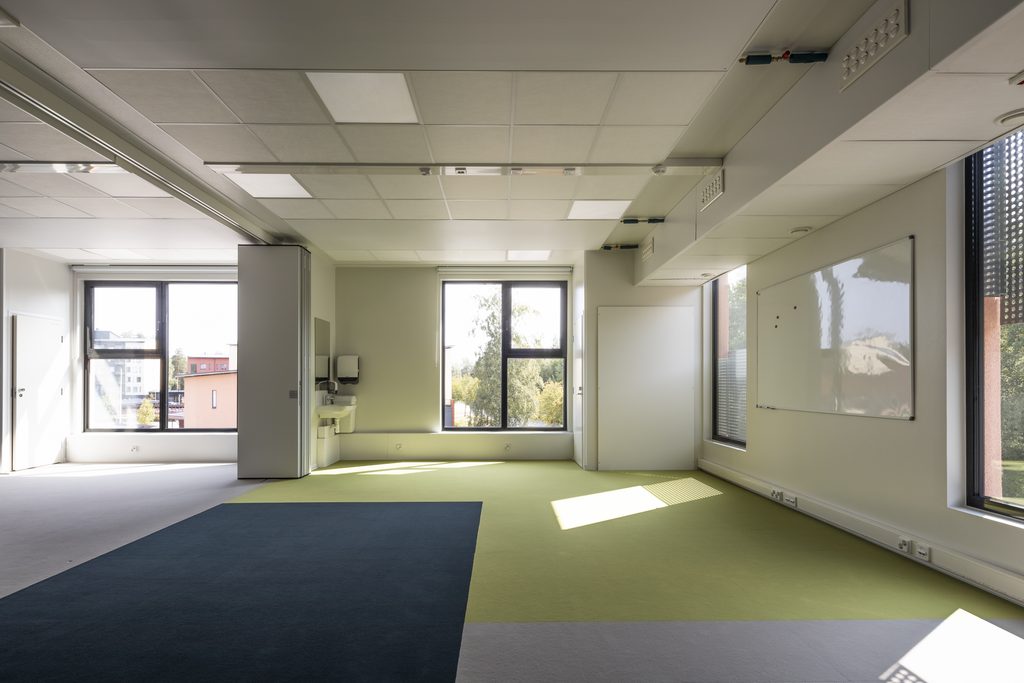
A modern and high-quality building can also be a sustainable one. The modular design supports circular economy principles by allowing the building to be easily expanded, reduced, or relocated again in the future. This flexibility is part of a wider concept of dynamic architecture, where buildings are designed from the outset to adapt to changing needs over time.
“Advancing circularity and reaching for net-zero in our own operations are at the core of our sustainability approach. This project brings these themes to life. Reusing buildings is a smart and effective way to reduce emissions. At the same time, we can provide our people with modern, adaptable facilities that will serve us long into the future,” says Niko Koivuniemi, Vice President, Strategy and Development, Valmet Flow Control business area.
Significant reduction in carbon footprint
The environmental benefits of reusing building modules are clearly visible in the project’s carbon footprint calculations. Compared to a new steel building, the Hakkila office building achieved a 53 percent reduction in construction phase emissions by reusing the modules.
Looking at the full lifecycle, including maintenance and end-of-life phases, the project still delivers a 31 percent lower total carbon footprint compared to a fully new building. The Hakkila office building was designed and constructed by Parmaco, a leading designer of dynamic architecture solutions.
“These results demonstrate how buildings designed according to circular economy principles significantly reduce emissions across construction projects,” says Jukka Joutsenkoski, CEO, from Parmaco.
Progressing towards net-zero in own operations
The Hakkila office project is closely linked to Valmet’s broader sustainability ambition and its Climate Transition Plan. The plan defines how Valmet contributes to the global shift toward a low-carbon, circular economy and sets clear, science-based targets across the value chain.
For its own operations, Valmet has committed to reducing greenhouse gas emissions by 60 percent by 2030 and reaching net-zero emissions by 2040. These targets are supported by concrete actions such as improving energy efficiency, increasing the use of fossil-free energy, and embedding circularity into design and operations.
“The new office building at the Hakkila site is an exciting new step on this journey. By adopting circular construction solutions and minimizing the carbon footprint of new facilities, the Hakkila site is advancing toward becoming one of Valmet’s net-zero locations,” says Reetta Loponen, Vice President, Sustainability at Valmet.
Valmet’s Climate Transition Plan emphasizes that transforming own operations is a key lever in achieving climate goals. Alongside reducing emissions in its facilities, Valmet is also working with suppliers and customers to drive impact across the entire value chain, while enabling industries to transition toward more resource-efficient and circular production.